


Artificial grass for dogs to pee on offers a simple and practical solution for pet owners who want a clean and convenient potty area. It mimics natural grass while being easy to clean and maintain, making it ideal for both indoor and outdoor use. This option is especially helpful for those without a yard or who want to reduce trips outside.
Artificial grass designed for dogs is durable, odor-resistant, and provides a comfortable surface that many pets quickly accept for bathroom breaks. It can help keep homes and patios cleaner while giving dogs a consistent spot to relieve themselves.
Many products also come with trays or pads that catch liquid, making cleanup quick and reducing bad smells. This makes artificial turf a useful tool for training puppies or for older dogs with limited mobility.
Benefits Of Artificial Grass For Dogs To Pee On
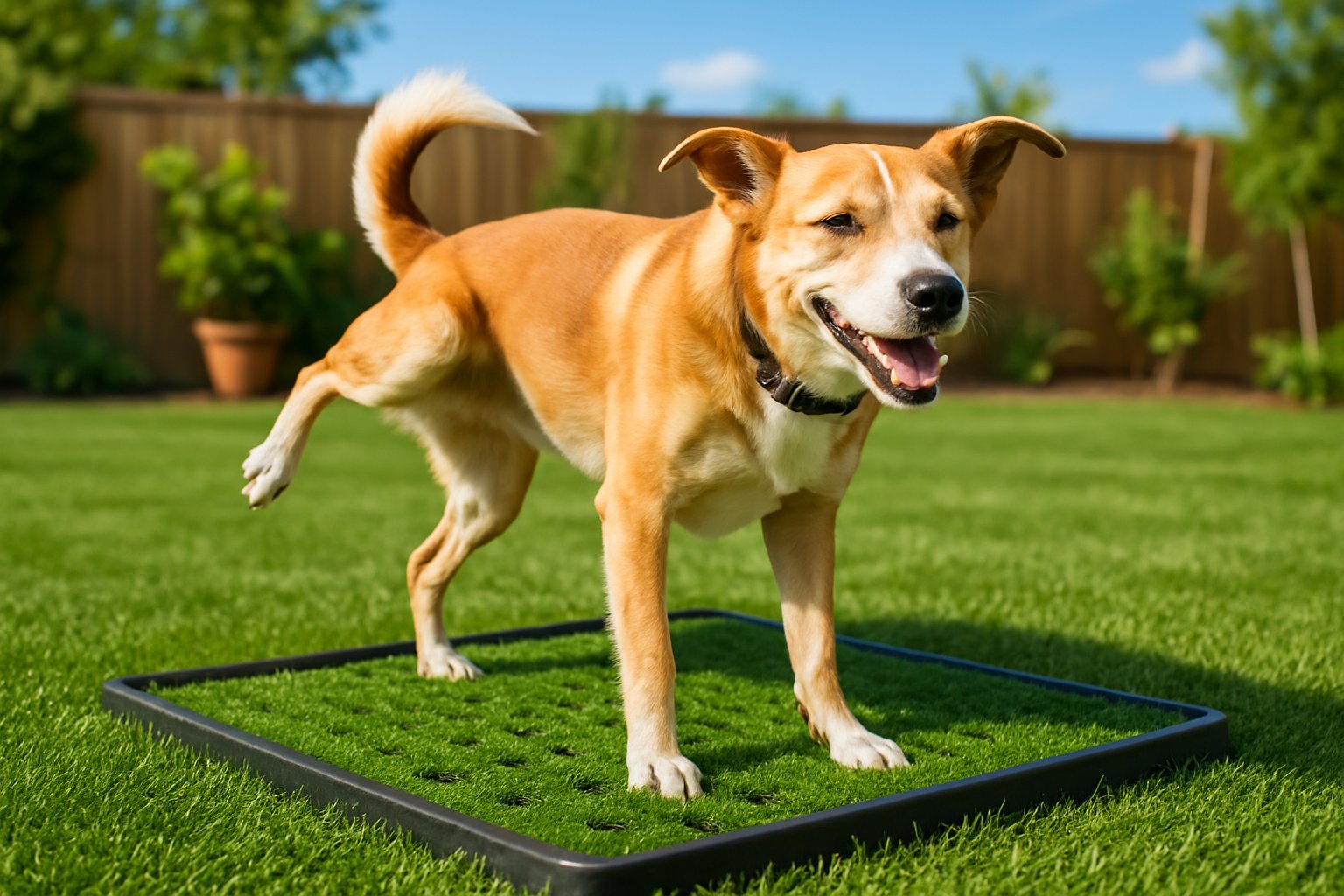
Artificial grass offers practical benefits that improve the experience for both dogs and their owners. It handles urine well, keeps outdoor spaces cleaner, and stands up to regular use without wearing out quickly.
Odor Control Advantages
Artificial grass is designed with good drainage systems that let dog urine pass through quickly. This prevents urine from pooling on the surface, which helps reduce unpleasant smells.
The porous backing under the turf allows liquids to drain into a base layer, keeping the grass dry. This stops bacteria growth, the main cause of odor in natural lawns.
Some pet-friendly artificial turf includes antimicrobial treatments. These help break down odor-causing substances and keep the area smelling fresher longer.
Cleanliness And Hygiene
Using artificial grass for dog pee reduces mud and dirt tracked into the home. The synthetic surface stays cleaner because it doesn’t get muddy or patchy like real grass.
It’s easier to rinse away urine and keep the area sanitary with simple water hosing. Owners should clean regularly to prevent any build-up that might attract pests.
Artificial grass avoids the use of pesticides or fertilizers, which can be harmful to pets. This creates a safer environment for dogs to relieve themselves.
Durability And Longevity
Artificial grass holds up well under frequent dog use. Quality turf materials resist wear from digging, running, or scratching.
The surface does not become patchy or worn out from urine like natural grass can. With proper maintenance, artificial turf can last many years without needing replacement.
The material also stands up to weather changes, so it remains functional and safe for dogs through all seasons. This durability makes it a cost-effective choice for pet owners.
Choosing The Right Artificial Grass For Dog Urine
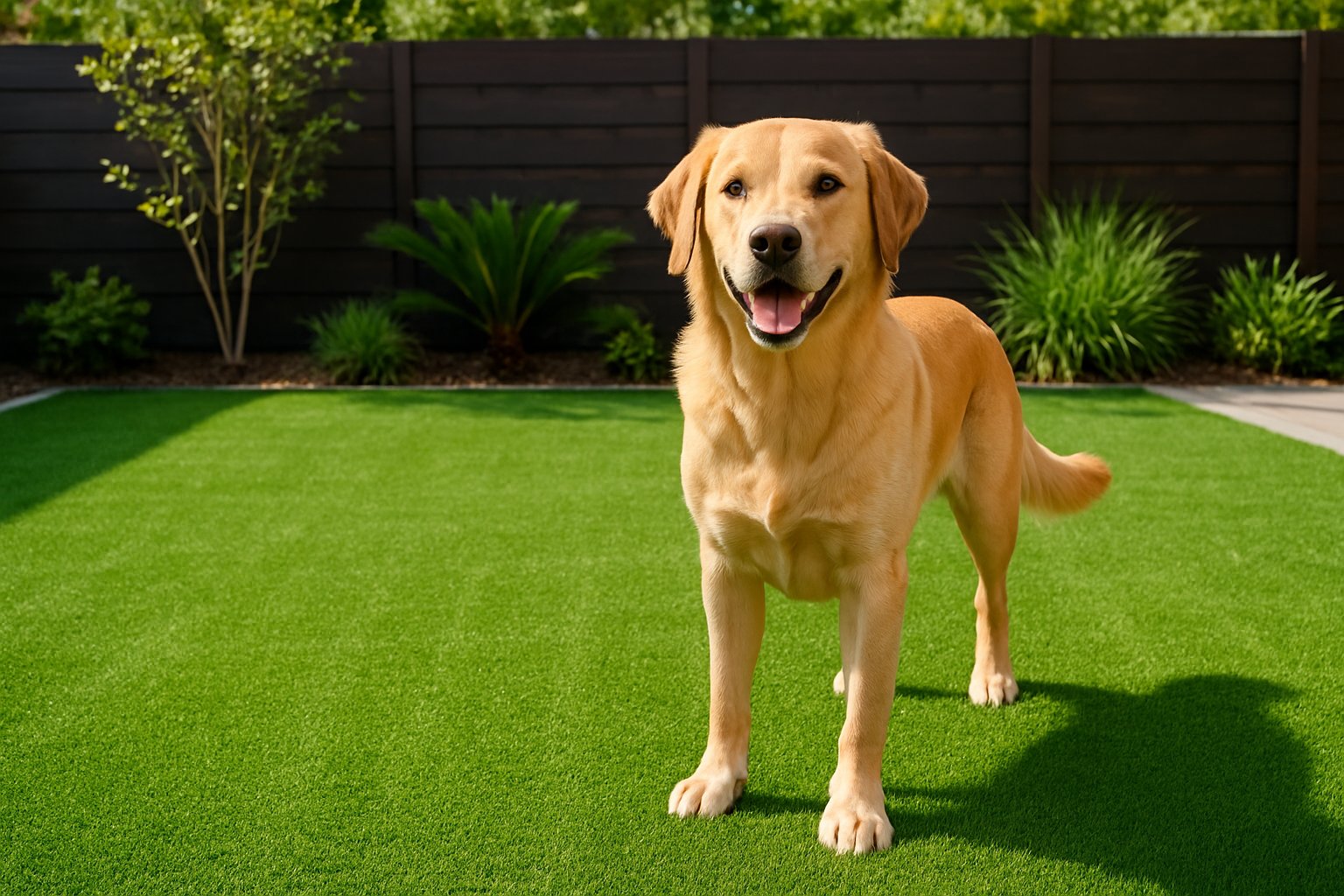
Selecting artificial grass for dogs involves focusing on drainage, durability, and safety. The right product must handle urine well, resist odors, and protect pets. Material quality and construction play a key role in performance.
Essential Features To Consider
Drainage is the most critical feature. Artificial grass designed for dogs should allow urine to pass quickly through the turf surface into a drainage layer below. This prevents standing liquid and reduces odor buildup.
Look for a turf backing with holes or a permeable system that speeds up drainage. A solid, well-constructed base tray or layer is also important to support grass and keep it from soaking through to the ground below.
Durability matters. The grass should stand up to frequent use, weather, and cleaning. Machine-washable components like pee pads are preferred over disposable options for easy maintenance.
Best Materials For Pet-Friendly Turf
High-quality synthetic fibers such as polyethylene and polypropylene are common. These materials mimic natural grass while being resistant to wear and urine damage.
Polyethylene offers a softer texture that feels more natural under paws, while polypropylene is tougher but can be less soft.
The turf blades should be dense enough to cover the backing well and stand upright after use. This keeps the surface looking good and comfortable for the dog.
Some artificial grass also includes antimicrobial treatments to reduce bacteria growth from urine.
Safety For Dogs
Safety starts with non-toxic materials that won’t harm dogs through skin contact or licking. Artificial grass products marketed for pets usually meet safety standards.
Avoid grass with sharp edges or loose fibers that could irritate paws. The grass should be soft and flexible but strong enough to hold its shape.
Products that resist bacteria and bad smells improve hygiene. Proper installation by experienced professionals helps avoid areas where urine could pool, protecting the dog’s health and the yard.
Owners should also check for easy cleaning options to keep the area sanitary.
Installation Options For Pet Relief Areas
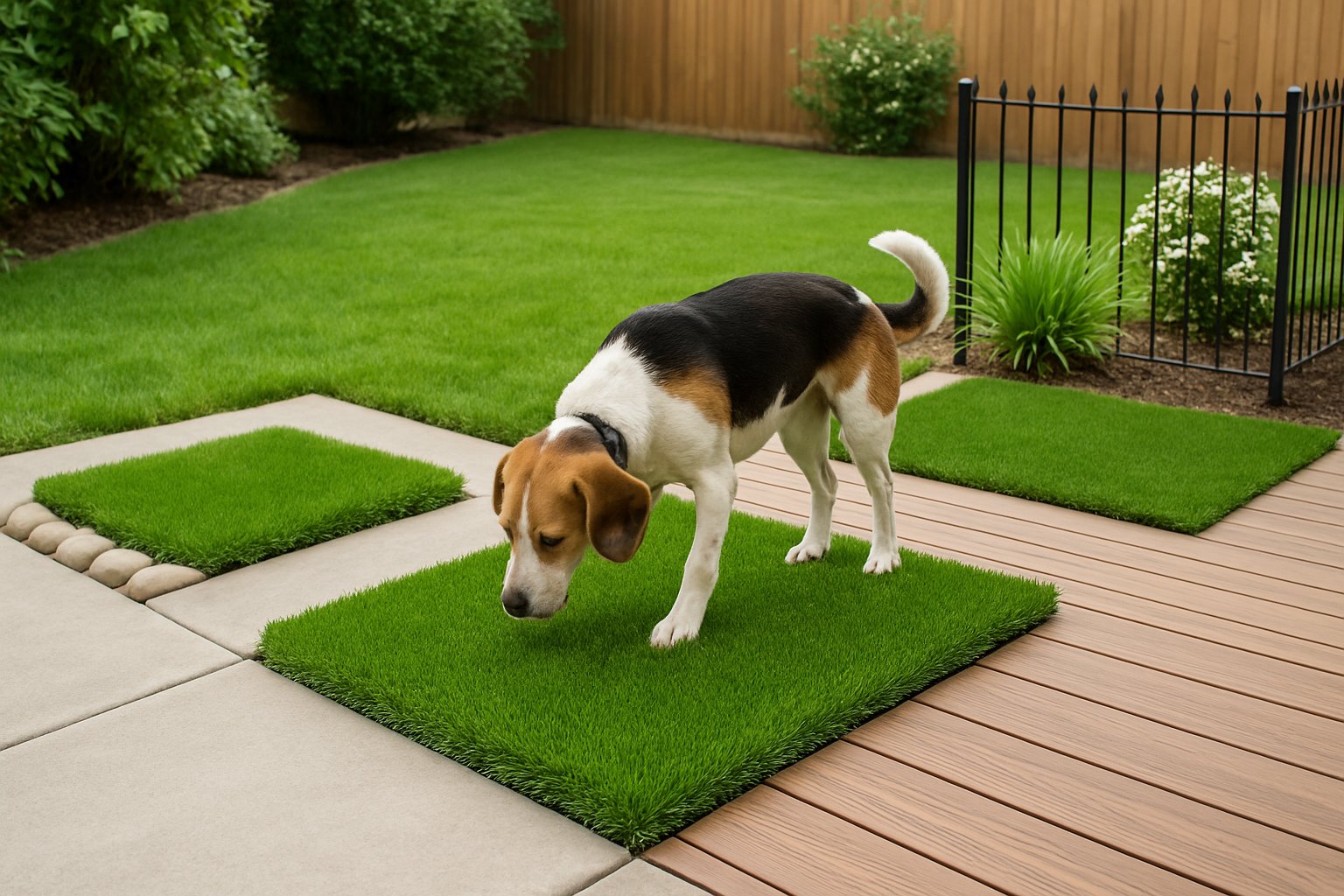
Installing artificial grass for pet relief requires careful planning for drainage, surface preparation, and cleaning access. Different approaches work better indoors or outdoors, and owners can choose between professional help or doing it themselves.
Professional Versus DIY Installation
Professional installation offers precise surface grading, expert drainage setup, and quality materials tailored for pet use. They often use specialized products that prevent odors and allow easy urine flow, ensuring the area stays cleaner longer.
DIY installation is more affordable but demands attention to detail. The owner must prepare the base properly, grade the surface to avoid pooling, and select pet-specific turf. Clear instructions and quality materials are critical to avoid drainage and odor issues.
Choosing professional or DIY depends on budget, space, and the owner’s skill. Both methods can work well if done with care and proper attention to pet needs.
Drainage Solutions For Outdoor Use
Effective drainage is essential to keep outdoor pet relief areas sanitary. Systems like AirDrain provide a layered base that directs urine away quickly, preventing soggy, smelly patches. A properly sloped base ensures urine moves toward drains or gravel layers.
Installing a drainage system under the turf improves cleaning and reduces odors. A permeable, layered base beneath the artificial grass with gravel, sand, or foam inserts helps water flow through and away from the surface.
Regular flushing or rinsing of the area supports the drainage system by removing urine buildup. Good drainage helps the turf last longer and keeps pets comfortable.
Indoor Pet Potty Setup
Indoor pet turf setups need a reliable drainage and flushing system. Products like K9Grass feature built-in floor slopes that move urine to drains or collection trays underneath the turf.
These systems allow easy cleaning by flushing water or cleaning solution across the turf. The design prevents urine from pooling and controls odor indoors.
Installing indoor turf needs waterproof flooring beneath the surface and a drainage channel to handle fluids. It is best suited for pet facilities, apartments, or homes without outdoor space but requires careful planning for plumbing access.
Maintenance And Cleaning Tips
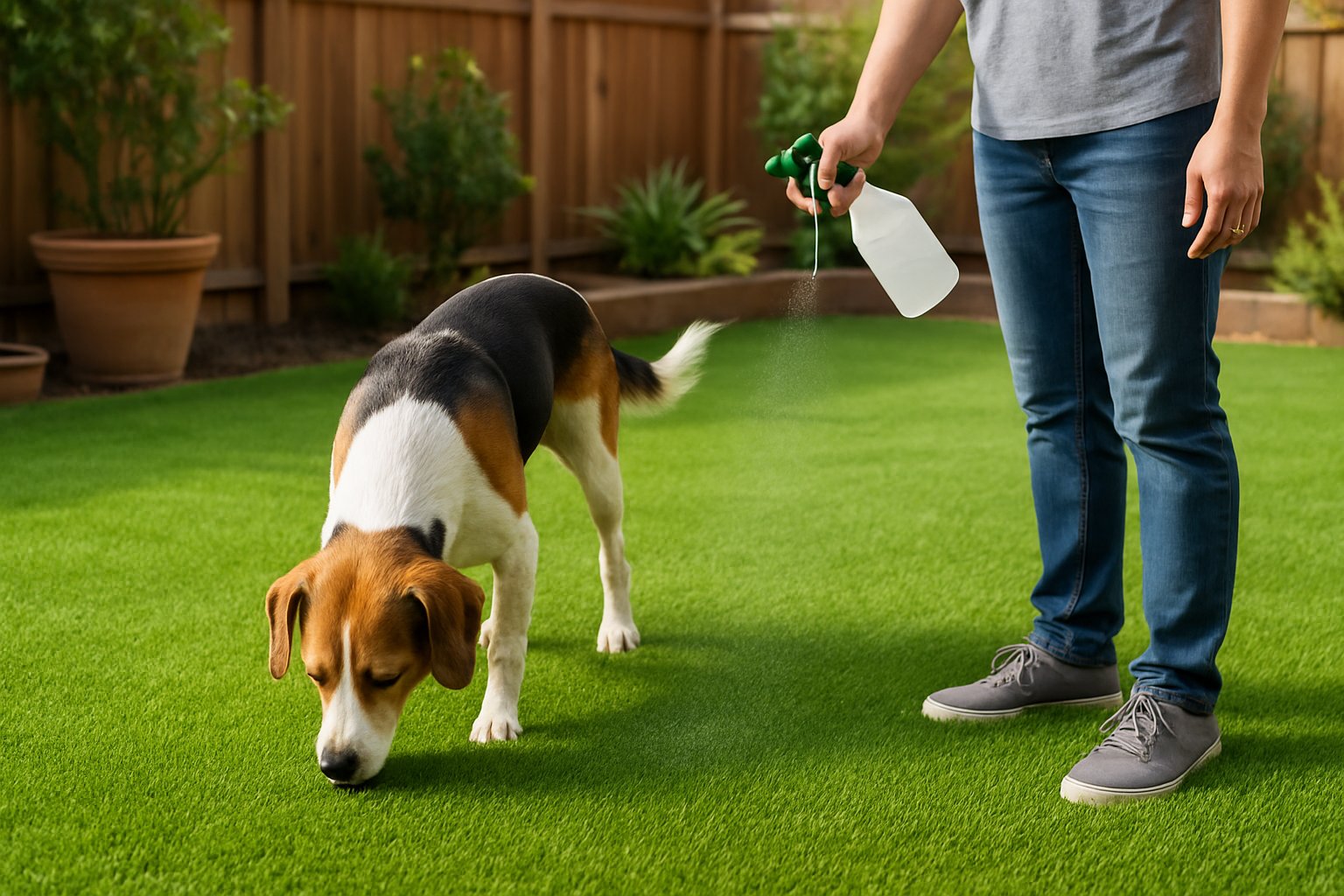
Keeping artificial grass clean and odor-free requires regular care, proper odor control, and methods to stop bacteria from growing. A good routine includes removing waste quickly, using the right cleaners, and ensuring the turf stays dry and well-ventilated.
Regular Cleaning Methods
Removing solid waste should be the first step. It is best to do this every time the dog uses the area. Use a scoop or bag to pick up waste without spreading bacteria.
Next, rinse the grass with water to wash away urine residue. A garden hose works well for this. For deeper cleaning, a mild detergent mixed with water can be applied and rinsed off.
Brushing the turf helps keep the grass fibers upright and prevents matting. A stiff broom or a specialized turf brush is recommended. This also improves drainage by loosening any compacted infill.
Effective Odor Removal
Odor often comes from urine breaking down in the turf. To fight this, enzyme-based cleaners are effective because they break down the organic matter causing the smell.
Spray the cleaner evenly over the affected areas, following manufacturer instructions. Let it sit for the suggested time and rinse thoroughly afterward.
Alternatively, a vinegar solution (one part vinegar to three parts water) can neutralize urine smells. However, it should be used sparingly and rinsed well to avoid damaging the turf infill.
A consistent cleaning schedule, including weekly odor treatments, helps keep smells under control.
Preventing Bacterial Build-Up
Bacteria thrive in moist, dirty environments. To prevent buildup, keep the turf dry by improving drainage where possible. Standing water encourages bacteria growth.
Regular rinsing after use lowers bacteria levels. In addition, periodic disinfecting with pet-safe products reduces harmful microbes.
Avoid harsh chemicals as they can damage the turf and harm pets. Instead, choose cleaners labeled safe for animals.
Maintaining airflow around the turf area also helps. Open spaces and trimming nearby plants reduce humidity, limiting bacterial growth.
Comparing Artificial Grass To Natural Alternatives

Artificial and natural grass options vary in cost, environmental effects, and potential allergy issues. These differences impact how pet owners choose a solution for their dog’s potty needs.
Cost Differences Over Time
Artificial grass usually costs more upfront. Installation can range from $10 to $30 per square foot depending on quality. However, artificial turf requires little ongoing care, which saves money on watering, mowing, and fertilizers.
Natural grass is cheaper to start with, but maintenance costs add up. Water bills, lawn treatments, and repair from dog urine damage can increase expenses. Replacing dead patches also adds to the cost over time.
Artificial grass lasts 10 to 15 years with proper care. Natural grass needs constant upkeep and can wear out quickly if dogs use it frequently. Pet owners must balance initial investment against recurring costs for each option.
Environmental Impact
Natural grass absorbs carbon dioxide, provides oxygen, and supports beneficial insects. It also cools down outdoor areas naturally.
Artificial turf does not absorb CO2 or support local ecosystems. It eliminates the need for watering, which saves water in dry areas. However, it is made from plastics that can increase landfill waste when disposed of.
Maintenance of natural grass often involves chemicals and fuels from mowers, which contribute to pollution. Artificial grass needs minimal chemicals but can cause heat buildup, affecting microclimate near the lawn.
Allergy Considerations
Natural grass can cause allergies in some dogs and people. Pollen, mold, and dust can trigger sneezing, itching, and other symptoms.
Artificial grass reduces exposure to pollen and mold since it lacks organic material. This can help minimize allergy reactions for sensitive pets and owners.
However, artificial turf can hold dust and debris if not cleaned regularly. Proper rinsing and maintenance are important to keep it free from irritants and to maintain hygiene for dogs.
Common Issues And Troubleshooting
Artificial grass designed for dogs can face specific challenges. These often relate to drainage and odors. Proper care and correct product choices help solve these problems.
Addressing Drainage Problems
Poor drainage causes urine to pool under the turf. This can lead to odor buildup and turf damage over time. Artificial grass with good permeability lets liquids pass through quickly. If a turf is installed over compacted soil or an improper base, drainage worsens.
To fix drainage issues:
- Check the base layer to ensure it’s loose and porous.
- Consider adding a drainage mat or gravel under the turf.
- Avoid thick infill materials that trap urine.
- Regularly rinse the area with water to clear urine from the surface.
Good drainage keeps the grass dry and reduces the risk of damage and smells.
Dealing With Persistent Odors
Dog urine can leave strong odors on artificial grass if not cleaned regularly. The smell mostly comes from bacteria breaking down urine components. Addressing odors requires more than just rinsing.
Effective steps to control odors include:
- Use a pet-safe enzymatic cleaner to break down urine molecules.
- Rinse the turf weekly, especially in high-use areas.
- Avoid harsh chemicals that might damage the turf fibers or harm pets.
- Maintain airflow by keeping grass fibers upright and free of debris.
Regular cleaning and proper products stop odors from becoming a long-term problem.
Enhancing Your Dog’s Artificial Potty Area
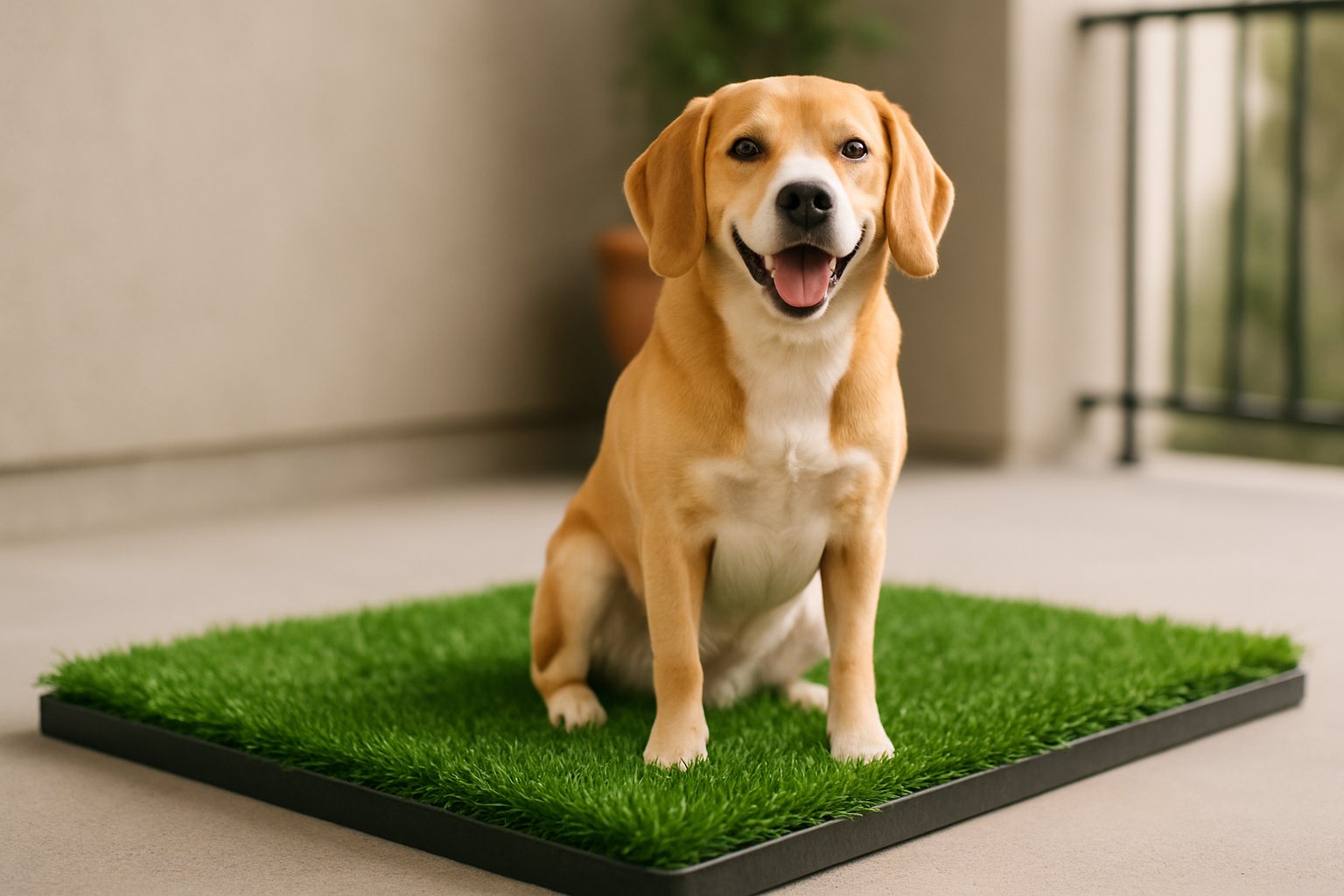
Creating a comfortable and inviting potty space encourages dogs to use their artificial grass spot regularly. Adding the right features can improve comfort and hygiene. Thoughtful landscaping can protect the area and blend it smoothly with the yard.
Adding Accessories For Comfort
Adding accessories like a small shade canopy or umbrella helps protect dogs from sun or rain while they use the potty area. Placing a non-slip rubber mat just outside the artificial grass can keep paws clean and prevent dirt from tracking into the house.
Using border edging or soft fencing creates a clear perimeter, helping dogs understand the designated potty zone. Some owners add a scent attractant spray designed for dog potty areas to encourage use.
Frequent cleaning tools such as a small hose or pet-friendly disinfectant spray nearby makes maintenance easier. These simple additions improve the dog’s experience and keep the area hygienic.
Landscaping Ideas For Pet-Friendly Spaces
Choosing well-draining soil or installing a gravel base below the artificial grass prevents water buildup. This helps reduce odor and keeps the grass dry. Surrounding the area with low, durable plants like lavender or rosemary can act as natural air fresheners and deter pests.
Avoid plants that are toxic to dogs near the potty spot. Creating a small pathway with stepping stones toward the grass helps dogs reach the area cleanly and protects surrounding plants. Raised planters or garden borders can also separate the potty area from other sections of the yard, maintaining a tidy look.
Simple landscaping ensures the potty area stays functional, attractive, and safe for pets.
Conclusion
Artificial grass provides a practical and durable option for dogs to pee on. It is designed with proper drainage systems to handle urine, helping keep the surface clean and dry.
With regular cleaning and maintenance, the grass can last for many years without significant damage. Neutralizing dog urine and choosing quality materials reduce the risk of odors and staining.
Many pet owners find synthetic turf easy to maintain compared to natural grass. It also creates a hygienic potty area, making outdoor cleanup simpler. Some products offer antimicrobial features to further enhance cleanliness.
Key benefits of artificial grass for dogs:
- Durable and resistant to wear
- Easy to clean and maintain
- Good drainage and odor control
- Suitable for various living spaces, including balconies and yards
Pet owners should consider the type of turf and proper training to help dogs accept artificial surfaces. This helps ensure a positive experience for both pets and owners.
Related Reading on TurfMist
Looking for a direct comparison or local guidance?
- Best Turf Odor Eliminator 2026 – Top 10 Honest Comparison
- TurfMist vs OxyTurf (both hydrogen peroxide)
- TurfMist vs TurFresh BioS+ (H₂O₂ vs enzyme)
- TurfMist vs BioTurf BioS+ (RTU vs concentrate)
- TurfMist vs URI-CIDE (H₂O₂ vs live bacteria)
City-specific guides: Las Vegas · Phoenix · Los Angeles · San Diego · Orange County · Scottsdale · Henderson · Summerlin · Tempe · North Las Vegas
